
Table of Contents
Introduction: Nag Tibba Trek in the Indian Himalaya
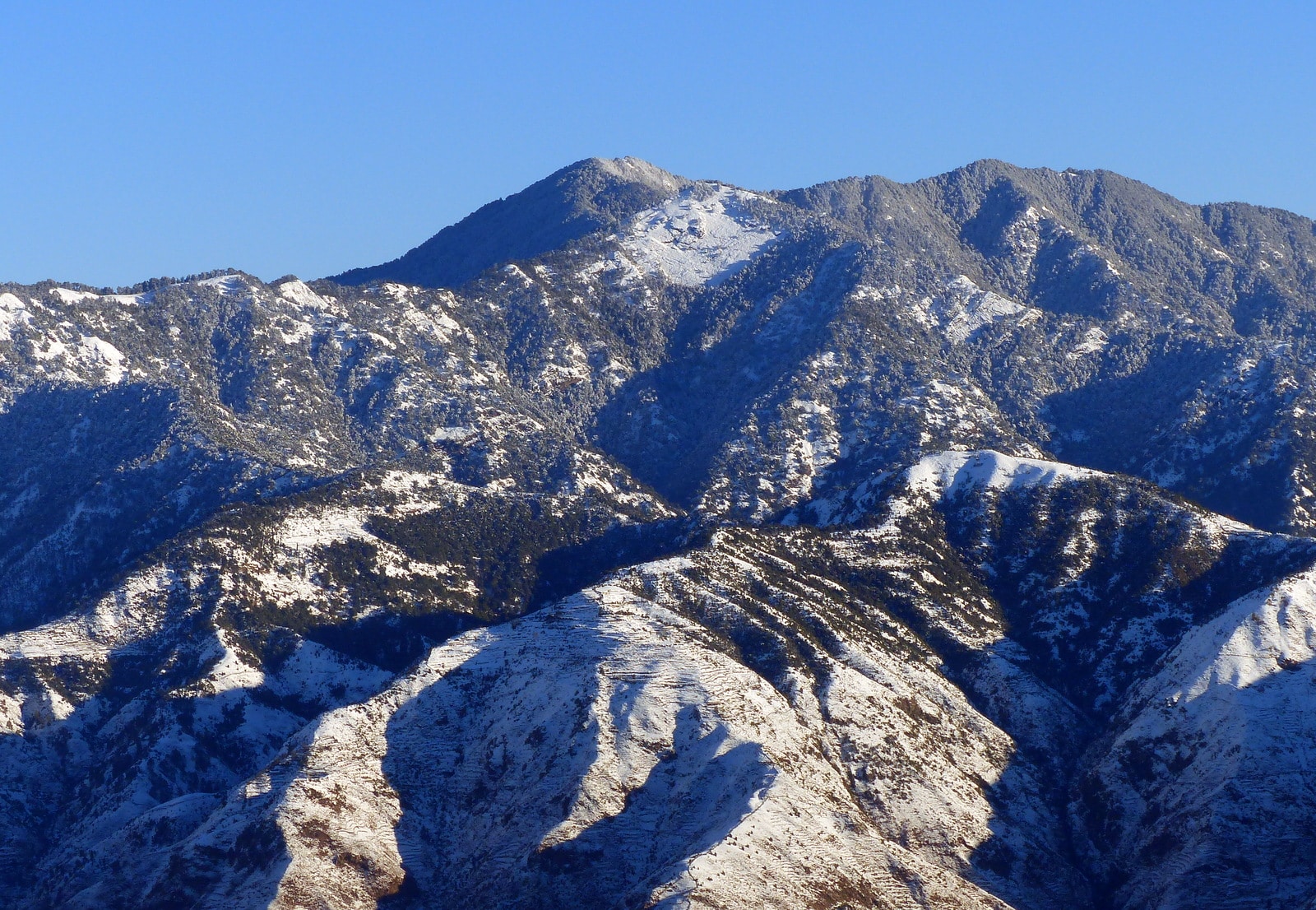
The Nag Tibba Trek is a popular trekking route in the Indian state of Uttarakhand, specifically in the Garhwal Himalayas. Nag Tibba is the highest peak in the Nag Tibba range and offers stunning panoramic views of the surrounding Himalayan peaks. The trek is known for its accessibility, making it suitable for beginners and those looking for a relatively short trek. Planning for Nag Tibba Trek should start here. The trek is an ideal weekend getaway destination for those who love adventure.
People from all over the world visit the Nag Tibba Trek as it showcases the best serenity and one of the most exciting trekking routes through dense jungles and quiet meadows. During the trek, you’ll be able to see the most beautiful flora and fauna, the lush green mountains, and the thick forests that will surely make you fall in love with Nag Tibba. The trek is situated near Mussoorie, a popular hill station in Uttarakhand.
If you are lucky enough to visit when the sky is clear and there’s no moonlight, then there is a strong possibility that you can see the band of the Milky Way galaxy with your naked eye. If Uttarakhand is just one stop on a longer trip, read our comprehensive India Travel Guide.
Things to Remember: Planning for Nag Tibba Trek
Nag Tibba is mostly a weekend trek. It is recommended to carry only the basic items. If you carry heavy Items it will slow you down and make you more tired, especially when hiking on steep terrain.
- Prepare for the trek properly as if not well prepared the trek can become hectic. Make sure you’re working out or walking regularly at least for several weeks before you leave for the trip.
- Pack warm clothes during the winter season as the temperature drops drastically.
- Nag Tibba trek is regarded as an easy trek. You will need at least two days to easily cover and relish your journey. However, some can even complete the entire trek in a single day and return to Dehradun. But this pace will be very tiring if you are a novice hiker.
Nag Tibba trek is a trek that you can visit all year. You don’t need to wait to visit the trek as you can choose any month to embark upon your journey.
- It is advised not to go in the rainy season as the trail becomes rough, there are chances of slipping and you might also experience difficulty in walking.
- The best months to visit the trek are from September to June when the monsoon has not yet arrived. Nag Tibba is quite a safe trek, to date, no landslides have occurred in this area.
People from all around the globe embark on this trek every year, you will always find people on the Pantwari route. Thus making the possibility of meeting wild animals negligible, but this does not mean that you can live alone in the dark of night.
Water and Food on the Nag Tibba Trek
Water and food supplies must be included in a well-orchestrated plan when starting the journey of the Nag Tibba Hike, as there are no such amenities in route. It is worth mentioning, water scarcity is a crucial factor and it should well thought out.
Water Availability
Along this trail, water is scarce and you have to carry more than one bottle. One time, on the Pantwari – Goat village route you can refill one bottle three to four times as the only freshwater source. Hereafter, one can get some water at the pool by the Nag Devta Temple which marks the end of the Nag Tibba base camp.
Planning Ahead
It is highly recommended that you start by carrying enough water for the hike. During the summer season, there are few or just one shop where one can buy bottled lemongrass.
Hiring a Mule
It is more convenient to get a mule to carry water and supplies. Water mules are not just used for transportation of water but they also serve as extra pack animals to make the journey easier. Mules are lighter and create job opportunities in the remote mountains.
Food Considerations
On the trail, carry some snacks and energy boosters as food options can be scarce along the way. The pack should have non-perishable but lighter foodstuffs like energy bars, nuts, and dry fruits.
Responsible Trekking
Trekking should be done responsibly, causing the least possible damage to the environment and helping communities nearby. Trekkers can make a positive contribution to the local economy by hiring a mule from a villager.
Finally, there has to be proper preparation on how to get enough supply of water and food during the trek to enjoy the whole hike. Prepare yourself, carry plenty of water, and consider hiring a mule as an alternative to support the locals.
Trekking Equipment
- Don’t forget to wear your hiking boots. Don’t take risks in the mountains. Though this is an easy trek, there are still obstacles along the way.
- For the way buy some energy boosters like chocolates, glucose powder, or some energy drinks.
- If you are not an experienced trekker or visiting for the first time, then it’s better to go through a trek facilitator or via a travel agent.
- Ensure you have proper support for climbing. We recommend using trekking poles or taking wooden walking stick from the Pantwari village.
Also, if you encounter snow, please buy snow trekking shoes or snow boots to avoid serious accidents. You can even rent them from Dehradun or Mussoorie.
Planning for Nag Tibba Trek – Conclusion
As I already mentioned above Nag Tibba Trek is a weekend trek. Two days are enough to explore the area, so you don’t need to worry about what to carry and what not to carry! Just remember some basic things like water, clothes, and trekking equipment and you are good to go. Enjoy Nag Tibba Trek with your friends.