
So, you finally decided to travel to Iran. Great decision! This trip will be so unforgettable and unique that it will make you want to come back over and over again. And the most mind-blowing fact about this trip is that Iran can keep you amused without any nightlife, bars, or alcohol (which we’ll get to in a minute).
As soon as you land in Iran, most of your fears and concerns about traveling will fade away because you see how different Iran can be in real life versus the media. To have a better travel experience, I’ve compiled a list that can guide you on your trip to Iran. This list includes everything about social norms, currency, transportation, dress code, etc.
Table of Contents
Travel Advice for Your First Trip to Iran
Money is confusing at first
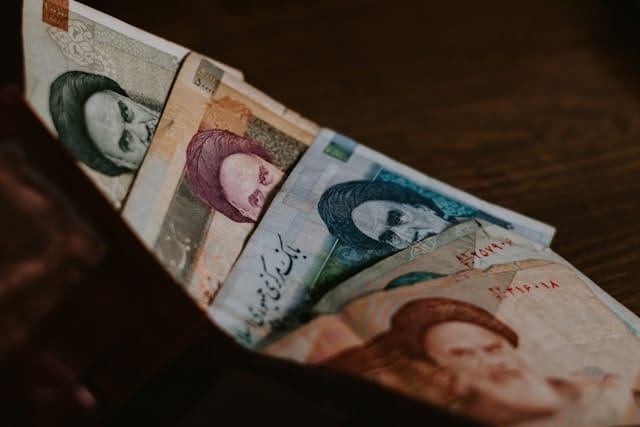
Iran’s currency will be one of the most confusing parts of your trip because the country’s currency is rials. But what you see people use in everyday life is toman. To make it easier to digest, remember that 1 Toman is equivalent to 10 rials. This concretely means that whatever price you see written in Iranian rial (IRR) equals one zero less.
Another confusing part of using Iranian rial is that it has too many zeros. The reason behind this is the rial plunge. The currency that was as valuable as the dollar 50 years ago, suddenly lost its value and became one of the least valuable currencies in the world. So don’t be shocked if a box of gum costs you 500,000 rials, which is 50,000 tomans!
Another strange fact is that you should bring cash. Because of the sanctions imposed on Iran, you can’t use your Mastercard or Visa, but the good news is that as soon as you get here, you can buy a tourist card and have it delivered to your desired location. With this card in hand, you can make purchases at shops, restaurants, or anywhere that accepts card payments.
Internet – Get a SIM card with data
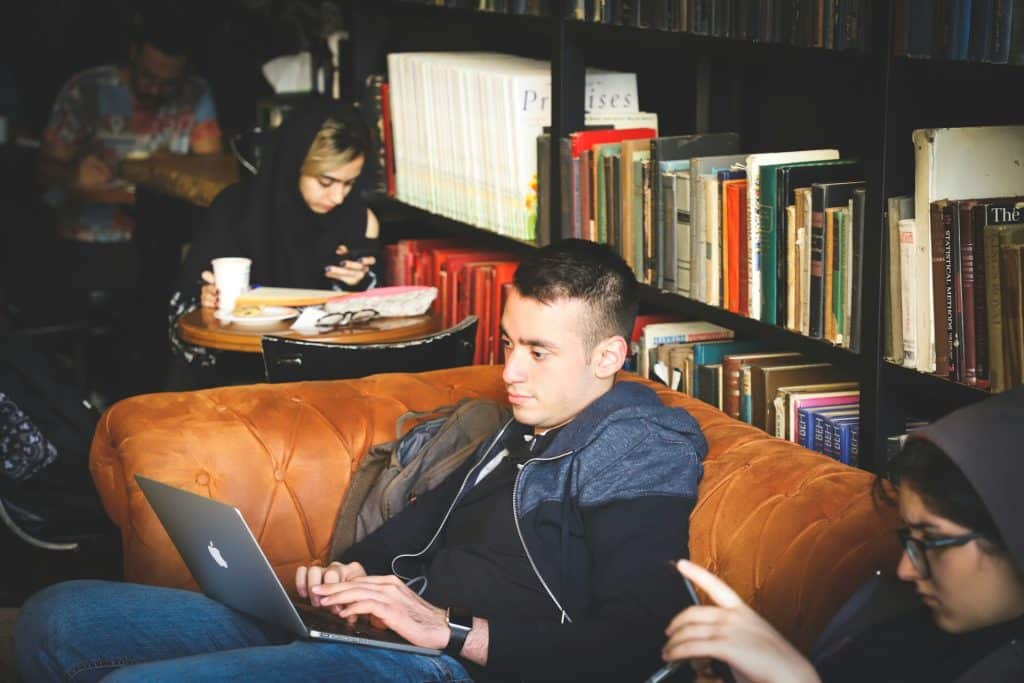
Many cafes and restaurants offer free Wi-Fi in Iran, but buying a SIM card is better. There are various providers you can buy internet from, like Irancell, Hamrah-e Avval, and Rightel. But I think Hamrah-e Avval is the best of all in Iran.
Unfortunately, the world’s most popular applications like Instagram, YouTube, Telegram, Facebook, and many more are blocked in Iran, which means VPN is at the heart of any digital device here. Even worse, VPN providers like Google Play are blocked, too, which means you should buy your VPN before you get here.

Transportation is much improved
Exploring Iran is now easier than ever before. If you’re part of a tour, you won’t need to worry about transportation, as everything will be taken care of. But if you are traveling independently, you can travel by bus, BRT, and taxis almost all over the country. Conversely, Metro is only accessible in big cities like Tehran, Mashhad, and Isfahan. The capital’s metro is the largest subway system in the Middle East, carrying more than 3 million passengers daily. You’ll need to watch your personal belongings on the metro as pickpocketing may happen. You’ll need a bus card to use both the metro and the bus.
Domestic flights and trains are available in most provinces, too. The railway tracks connect north to south and east to west. The north-south railway that connects the Caspian Sea to the Persian Gulf is one of UNESCO’s World Heritage sites that goes through 4 different climate regions and two mountain ranges (Alborz & Zagros).
You can also use the Iranian versions of Uber, which are called Tapsi and Snapp. They are available 24/7 and are very cheap.

Know cultural norms and polite gestures
a) Dress code:
Unfortunately, the Hijab in Iran is mandatory. And so, there are limitations for both men and women. Women are supposed to cover their bodies and hair based on the rules. And men shouldn’t wear shorts or be bare-chested in public. Keep in mind that body-revealing clothes are against both cultural norms and rules.
Although wearing a scarf is mandatory, in big cities you will see many girls either refusing to wear one or use it as a hair accessory only and not covering most of their hair. I think it’s safer not to get on this bandwagon. Long-sleeved shirts, pants, jeans, or long skirts, along with a scarf, are comfortable and compatible with the rules if you are a woman, and t-shirts, pants, or jeans, if you are a man. Generally, you can wear anything as long as it’s modest. In religious sites like mosques, modesty matters even more. Women are supposed to wear a chador, which is a full body-length fabric that covers the body and hair, and men are supposed to wear long-sleeved clothes.
Also, it’s important to take your shoes off whenever you enter somewhere where a carpet is spread on the floor. Carpet is a really important part of our culture, and we do our best to keep it clean. Walking on the carpet with your shoes on is an absolute no in Iran.
Dressing fashionably matters as much as dressing based on the norms does in Iran. Before packing your suitcase, do a quick Google search and have a look at what Iranians wear. This will help you choose better outfits. In Iran, you should wear separate clothes indoors and outdoors. So those comfortable 1950s pajamas should be replaced with jeans in public. Remember that the vendors and restaurateurs may be more inclined to rip you off if you look like a tourist. Plus, you could give the impression that you don’t care about the local culture.
b) Taarof:
Imagine you’re in Iran, and you walk into a shop and buy something. When you get out your card to pay. The shop owner tells you: “be my guest”
Should you or should you not pay in this scenario?
You should pay!
Confused, right?
Now imagine this one: you’re in Iran, and somebody you don’t know invites you to their house for lunch or dinner.
Should you accept the invitation or should you not?
You can do both!
Iranians love to learn about other cultures and countries. We also love having guests. So being invited over to an Iranian house is pretty common in Iran. So, whenever you are offered to have lunch or dinner, you can accept, especially if the host insists. The whole point of taarof is that an offer shouldn’t always be taken at its face value. It’s better to decline it the first time and accept it later if they offer it for a second or third time.
c) Going to people’s homes:
As I mentioned earlier, Iranians love inviting tourists over for lunch or dinner. We’re curious about other cultures and we love to know how life goes on the other side of the planet. Plus, we want you to have a good experience traveling to our country. So, there’s a high chance you’d be invited to lunch, dinner, or even a cup of tea in Iran.
If you are invited to someone’s home, you should remember a couple of things. First off, it’s better not to go empty-handed. You can bring pastries, fruit, flowers, a small gift from your own country, etc. The second important thing is to keep your legs crossed when you’re sitting on the floor, especially when you’re in the company of the elderly. If you get tired of sitting cross-legged, ask for permission before spreading your legs.
d) Handshakes:
There are different attitudes and beliefs regarding handshakes in Iran. But the general rule is that it’s better to shake hands with people of the same sex. For people from the opposite sex, you can bow/nod gently. Another good tip would be for you to wait for the other person to stretch their hand towards you. Then you can safely shake their hand even if they are from the opposite sex.
e) Social taboos:
Kissing in public, especially tongue, is considered very rude, but hugging and holding hands is acceptable, especially in big cities. Displaying affection among gay couples and dancing are not accepted, either.

f) Taking photos:
Iranians are not camera shy, but it’s considered rude to take photos of someone without asking for their permission. So always ask for permission, especially when you’re taking photos of women.
Do not mistake Iranians for Arabs
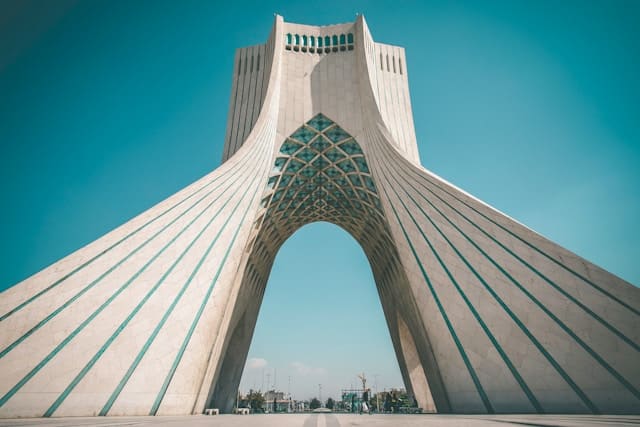
This one is really important! Not that we don’t like Arabs, but they only include 3% of Iran’s population. Iranians are loyal patriots and are very proud of their culture, history, and national heritage. Mistaking Iranians for Arabs is like questioning 10000 years of history and civilization, which can send any Iranian into a rage!
What to expect in public restrooms
Contrary to most countries in the world where flush toilets are preferred, in Iran, squat toilets are. These squat toilets, or Mongolian toilets, replaced chair-like toilets in Iran after the Mongolian invasion. But don’t worry; you can find flush toilets in modern houses, hotels, and most cafes and restaurants. A quick final reminder: bring toilet paper with you because most public restrooms don’t have it.

When to visit: Iran has four seasons
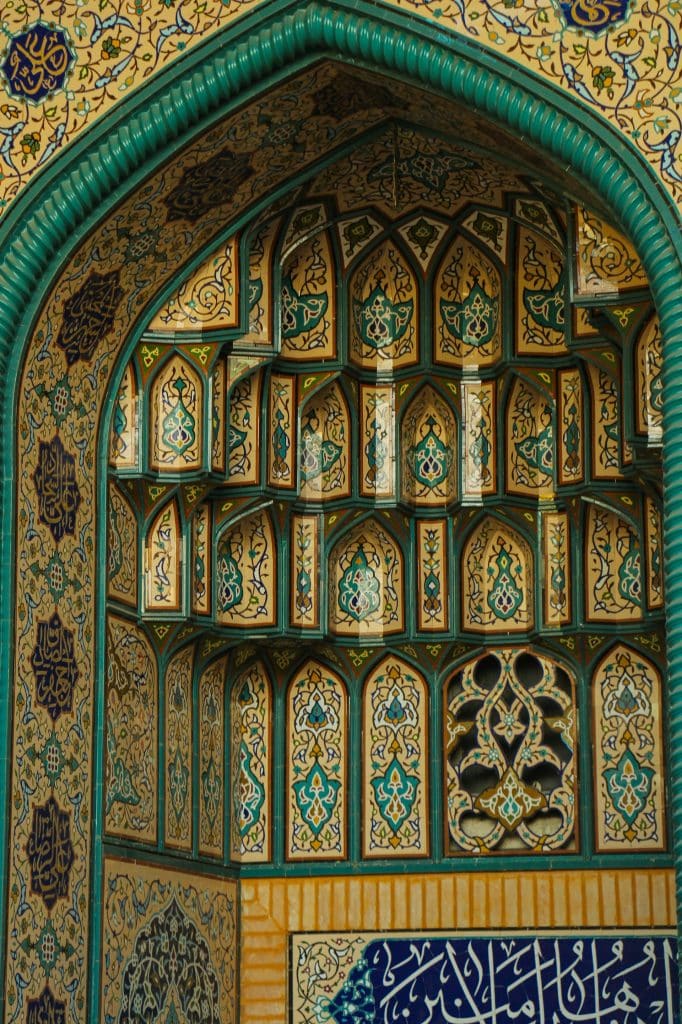
Iran is a four-season country, but in most parts, it has a semi-arid climate, which results in hot summer days and cold winter nights. So, the best times for visiting Iran will be April, May, June, September, October, November, and December. Another essential piece of advice to remember is to check the month of Ramadan before you choose your travel date. During Ramadan, most restaurants, cafes, supermarkets, and shops are closed until sunset. Although the majority of people don’t fast, they have to respect the rules. Also, keep in mind that the week in Iran starts on Saturday and that makes Thursday and Friday the weekend.
Don’t Drink Alcohol
Alcohol, bars, and nightlife. These are the only three items that Iran will disappoint you. Since drinking alcohol is illegal in Iran, people make it at home. But take my advice, it is safer not to drink it.
Buy Handicrafts!
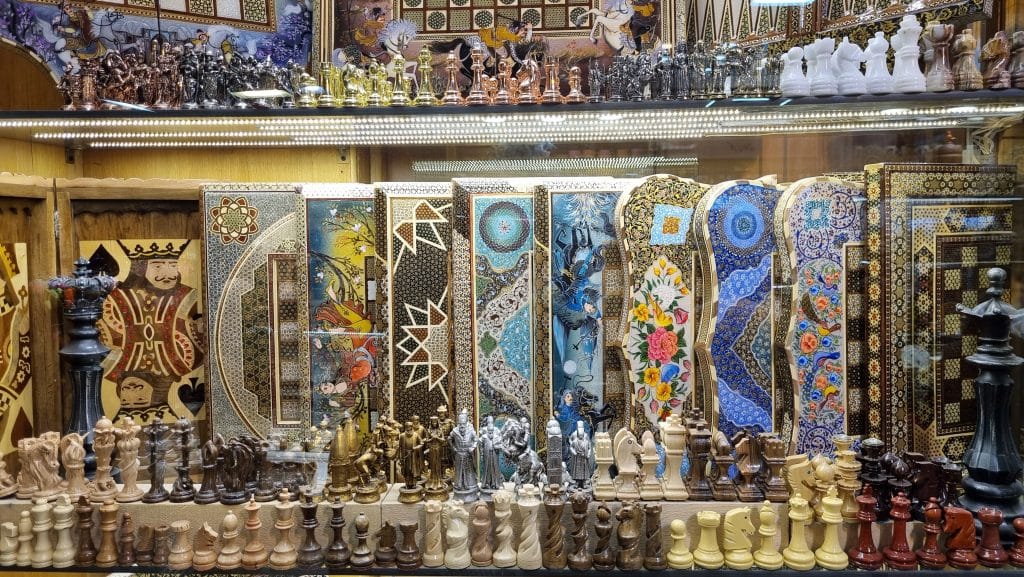
Iranian handicrafts are second to none. Persian carpets, Marquetry, Minakari (silver carvings), miniatures (painting), Ghalamzani (metalwork), and Firoozeh Koubi (Turquoise Stone Inlaying), etc. are only a fraction of all the beauty and art you can find in Iran. Whenever you travel here buy as many handicrafts as you can, because now you can buy them at a much cheaper price than ever before (Iran’s currency is among the least valuable currencies in the world).



The UK Foreign Office advise against all travel to Iran as UK passport holders are ‘at significant risk of arrest, questioning or detention. Having a British passport or connections to the UK can be reason enough for the Iranian authorities to detain you. ‘
This is a pity as having visited Iran twice I found the people there to be helpful, friendly and amazingly hospitable.