

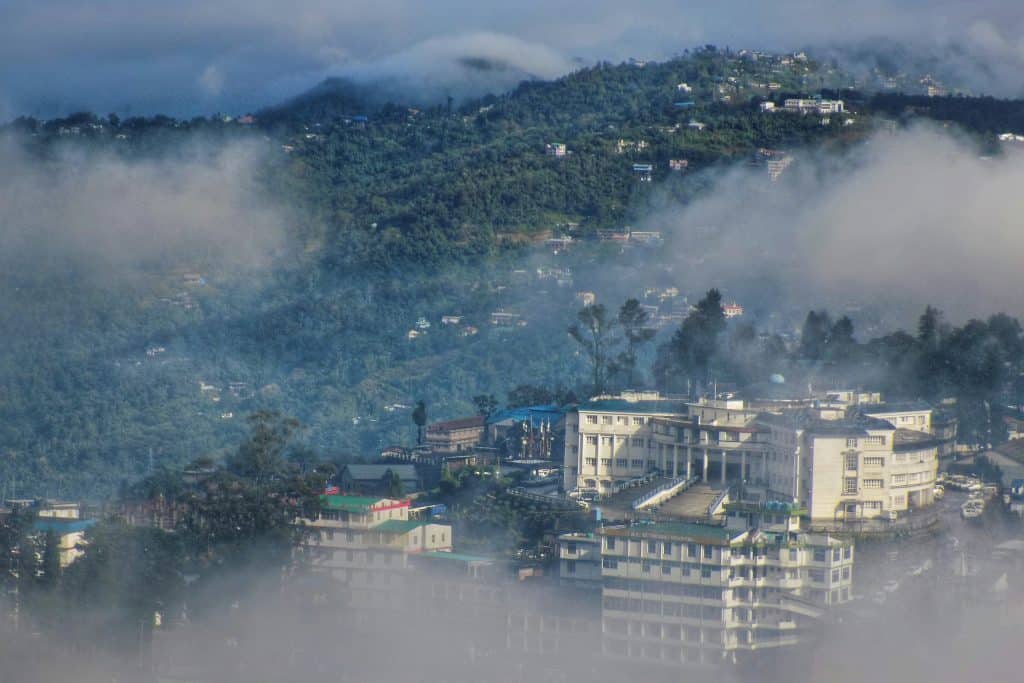
The word ‘Naga’ is supposed to have been derived from the Burmese ‘Na-Ka’ or ‘people with earrings’. Nagas have existed under the kingdom of Ahom since the medieval period of Indian history. Nagaland is a landlocked state in the Northeastern frontier of India and borders its neighbors Assam (west), Manipur (south), and the Sagaing region of Myanmar (east).
Nagaland is known for its largest city Chümoukedima–Dimapur and its capital Kohima. It is one of the smallest states of India, consisting of 17 major tribes. They formulate a diverse and distinct cultural habitat in the state, celebrating their own ethnic festivals. The groups include Angami, Kachari, Chang, Kuki, Lotha, Pochury, Rengma and Zeme-Liangmai.
Read more about travel to Nagaland and Northeast India in our travel guide to India.

Table of Contents
History and Culture
Belonging mostly to the Sino-Tibetan language family, they are driven by a variety of religions. They are influenced by Christian missionaries, animistic and folk-driven rituals. It is also known as the ‘Land of Festivals’, majorly revolving around harvest and agriculture. The most famous one is the Hornbill Festival held at Kisama Heritage Village. All ethnic tribes participate and showcase their traditional archery, wrestling, and dances. You can also check out their Choral Panorama, the official Naga King Chilli Eating Competition, and World War II Vintage Car Rally.
Climate
Nagaland has a monsoon climate with annual rainfall at an all-time high during May and September (1800-2500 mm). Temperatures rarely drop below 4 degrees Celsius. Travelers from foreign countries will find relief in this area as summer is the shortest season. With temperatures ranging between 16 to 31 degrees, you will find tropical and subtropical evergreen forests surrounding Nagaland. 20% of the state is covered with rattan, mahogany, bamboo, and reed-grass marshlands.
With 490 species of birdlife preserved in the state, Nagaland’s state bird is a vulnerable species called Blyth’s tragopan. The great Indian Hornbill is extremely significant in Naga culture, while Mithun is the state animal. In Dzuko Valley, Pulie Badze Wildlife Sanctuary and Mount Japfu, you can see a wide variety of flora and fauna, right from red serrows, pig-tailed macaque, clouded leopard, marbled cat to the Malayan porcupine, Hoary Bamboo rats and various kinds of falcons.
Naga Cuisine – What’s Special About It?
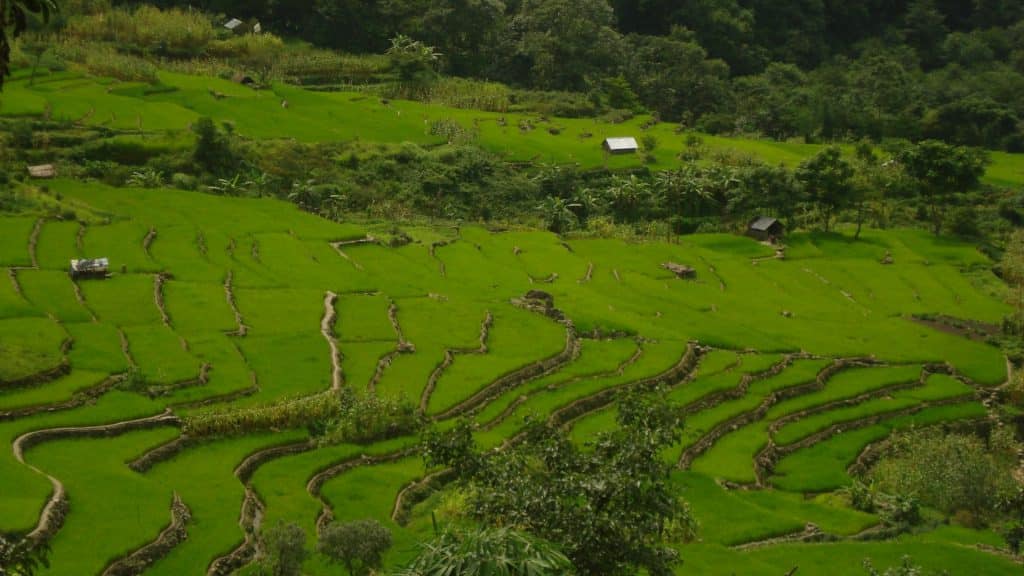
Nagas are mostly inclined towards a meat-based diet. Having distinguished agrarian and hunting-gathering practices of their own, Nagaland boasts of fresh, locally-sourced ingredients. The staple source of carb is rice, common to all seven sisters of the North-east part of India. The cuisine mostly consists of wild mushrooms, herbs, traditional stews and soups, the scary Naga chili and uniquely fermented food for the winter frost conditions. The curries are always sour, avoiding sugar or jaggery due to their paucity.
Samathu
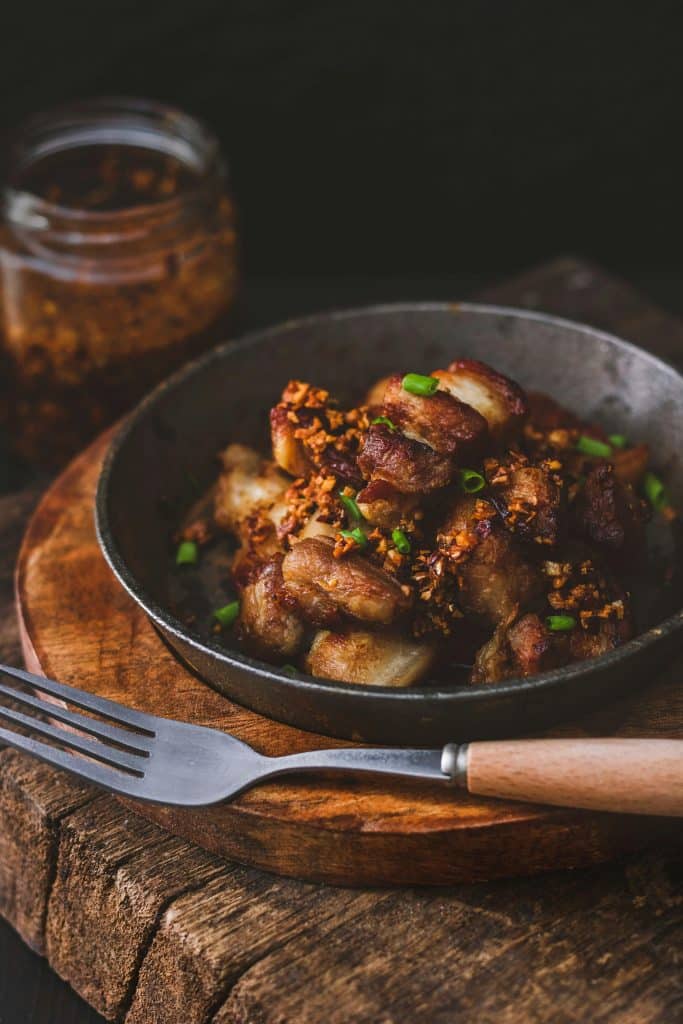
Samathu is an extremely comforting dish at heart. It is a cozy, spicy curry that is made of smoked pork, and Mejenga, an indigenous chili pepper. Being a favorite among all Nagas, Samathu takes the top spot as the oldest and most traditional dish of the hills. The recipe was originally created in the Sema or Sumi district of Nagaland, but has eventually been changed with the passage of time. Each Naga home makes a specific type of curry, differing in thickness or spiciness. The use of the bamboo sheet vinegar adds a unique tang to the dish. It is usually cooked on a low flame and the cubes of meat are extremely tender by the time it reaches your plate.

Axone
Axone is so popular in Nagaland that it has been turned into a Netflix India production by the same name in 2020. Pronounced ‘A-khu-ni’, it is a fermented product made of soybean. The Sumi word ‘Axo’ means smell or aroma and ‘ne’ means strong. As the name suggests, once you cook axone, your neighbors will definitely get to know what’s there for lunch! Well, Nagas swear by it. Soybeans grow in rainy climates and high altitudes of 1500 meters and serve as a rich source of protein for the locals. Pasted in a wooden pestle and mortar, it is stored in a banana leaf. You can preserve it for many weeks and you will notice the color darkening every other day.
Fish In Bamboo Shoots
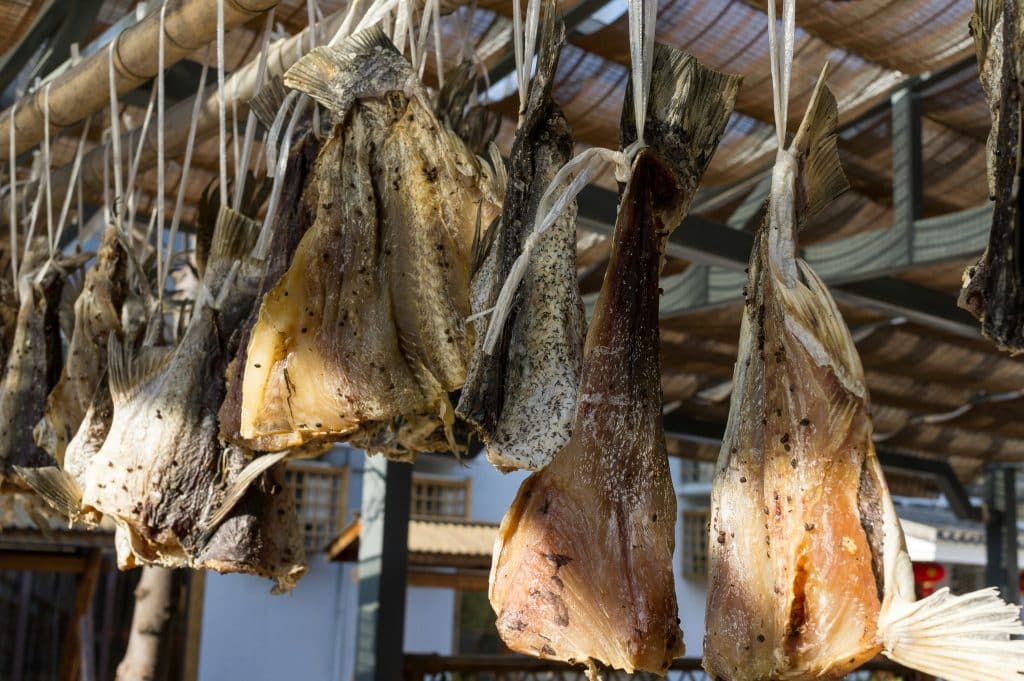
It is a fairly simple dish and you will find it fascinating to know how often the Nagas have it. One of the most popular dishes for Naga families, it is made with dried red chillies, fried fish, a squeezed extract of the bamboo shoot, ginger, garlic and salt. A bamboo steamer is used to conserve the steam from the utensil. It ensures that the bamboo flavor is the most dominant one once it’s poured hot and fresh on the steaming rice. The marinated fish is laden with stuffed spices and that’s what makes all the difference!

Rosep Aon
Nagaland has a healthy selection of delectable vegetables owing to its suitable weather conditions. They have it in a variety of ways, either blanched, steamed or boiled. You will be surprised to know that Nagas have a convention of consuming raw vegetables straight from the trees as they are fresh and clean at all times. Even though Indians have many regional items of mixed vegetables, this is particularly popular among the Ao tribe. The preparation includes furled taro leaves or Colocasia, Mejanga pepper, bitter brinjal or Likok and the common ingredient, bamboo shoot juice. Dried fish is added in all Naga dishes and garlic chives are included as garnish.

Aikibeye
One of those rare three-ingredient items in Naga cuisine, Aikibeye is a soothing curry that hardly takes half an hour to amp up. If you want a light, smooth vegetarian curry, it is the one made for you! Comprising only Colocasia roots and mustard leaves, this is cooked in very little salt and water. The gravy turns out to be thick due to its minimal water content. It gives your stomach a break after you taste all the pork curries the region has to offer.
Akini Chokibo
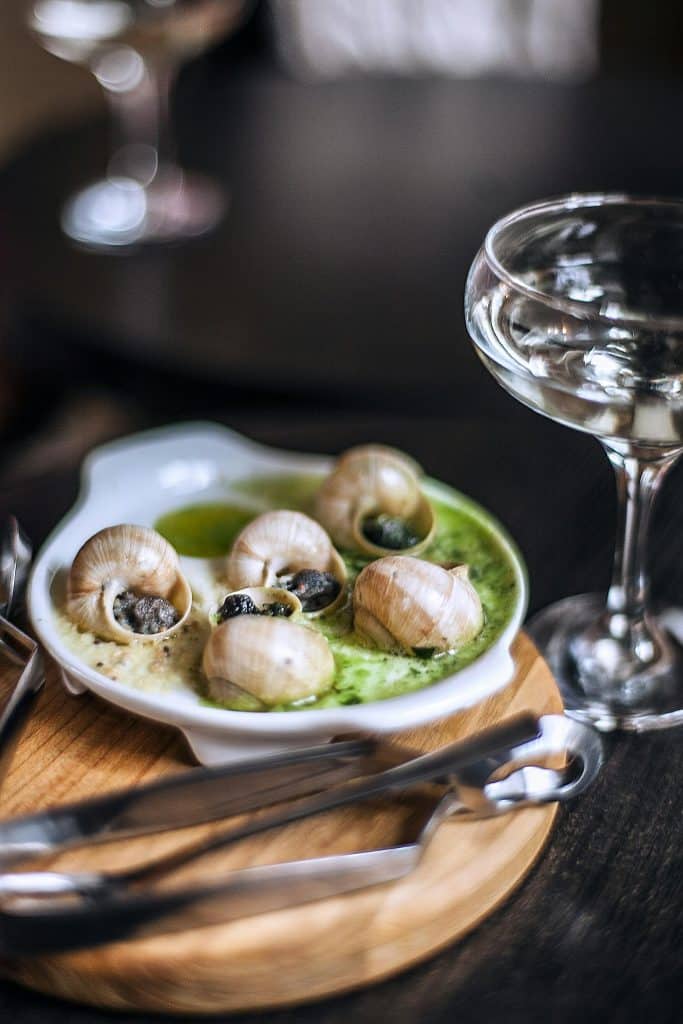
A fascinating addition to the list, ‘Akini’ refers to perilla seeds and ‘Chokibo’ means paddy field snails. The roasted seeds are supposed to have varied medicinal properties and it makes a great pair with the snails. Locally bred, they are mixed with pork lard and fermented soybeans to produce a smoky flavor. There is a peculiar technique to separate the snails from their shell. It is definitely a must-have for all travelers visiting Nagaland.
Hinkejvu
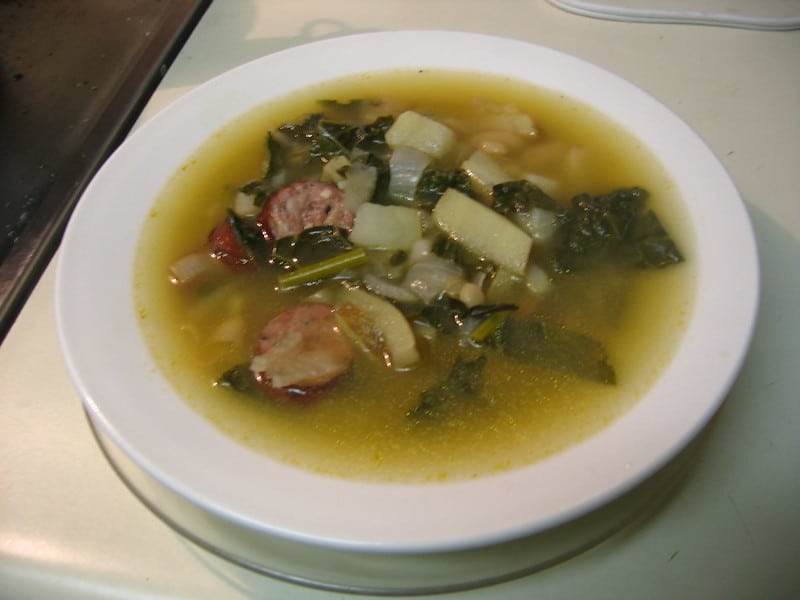
If you thought it impossible to make a dish without oil or spices, you are most definitely wrong! Nagas have found a method to prepare a clear soup consisting of the real and fresh flavors of the herbs. The chili and turmeric are included as the only spices, just to add a hint of color to it. Colocasia roots are cooked in a pressure cooker and the tangy mustard greens add a special zesty touch to it. If you don’t have the Naga leaves, you can replace them with salad greens, French beans or cabbage leaves. Nagas consume it daily.
Bushmeat/Dog Meat
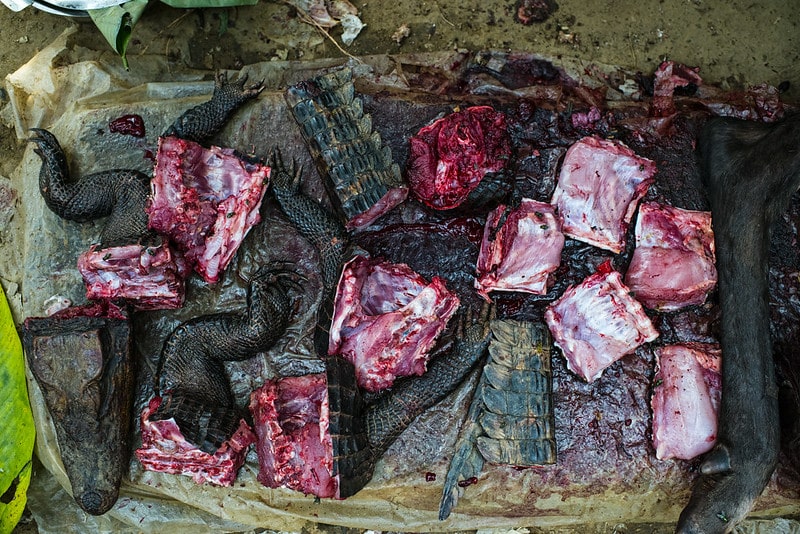
A wildlife species which is loved by the Naga populace, Bushmeat is one of the primary sources of income in the tropical forests. It was initially a very important source of protein for the rural people and serves as one of the cheaper options of non-vegetarian options in the menu. Dimapur boasts of a Wednesday Bazaar where you will find live dogs sold to customers in select shops. Prepared in a simple manner like all the other dishes, dog meat is another gem that you must not miss out on!

Black Sticky Rice Pudding
Nap Naang is a local invention with a very mildly sweet taste and a naturally nutty flavor. It is devoid of any additional garnishing as the unpolished whole grain makes up for that. It is glutinous and deep purple in color, making it one of the most photogenic desserts of India. Cooked entirely in milk, the texture turns out to be extremely creamy and gooey. The color changes from a light pink to a marvelous purple once set and it acts as a complement to all Naga curries.

Zutho
We can’t end this list without mentioning the Zutho, a locally fermented drink made of rice. The Angami and Chakhesang Nagas consider it as their traditional drink. But now, all of Nagaland, both urban as well as the suburbs and hinterlands, love it. Containing around 5% of ethanol, the drink is prepared with yeast that breaks down the starch into sugars. The malt is prepared by sprouting which has to be completed in separate plants. This is often consumed before an evening meal and goes immensely well with the snails.
What to Eat in Nagaland India
Hope you enjoyed reading what to eat in Nagaland. What dishes have you eaten in Nagaland?