Table of Contents
Highlights of Mongolia: A Comprehensive Guide of What to See and Do in Mongolia
Mongolia is a vast and enchanting country situated between Russia and China, offering intrepid travelers epic landscapes, rich cultures, and a fascinating historical legacy. As you plan to explore Mongolia‘s beauty and culture, this guide will give you the best destinations and what to see and do in Mongolia to capture the essence of this unique nation.

Ulaanbaatar: A Modern Capital with a Historical Soul
Begin your Mongolian adventure in Ulaanbaatar, the capital city that seamlessly blends modernity with a rich cultural heritage. Explore the Gandan Monastery, housing the majestic Migjid Janraisig statue, and delve into Mongolia’s natural and human history at the National Museum and Natural History Museum.
Highlights of Ulaanbaatar:
Sükhbaatar Square: The central square where Mongolia declared independence in 1921.
Zaisan Memorial: A vantage point offering panoramic views of the city and surrounding mountains, as well as vintage mosaics.
Choijin Lama Temple: A beautifully preserved monastery showcasing Buddhist art and architecture.
Gobi Desert: Sand Dunes and Endless Adventures
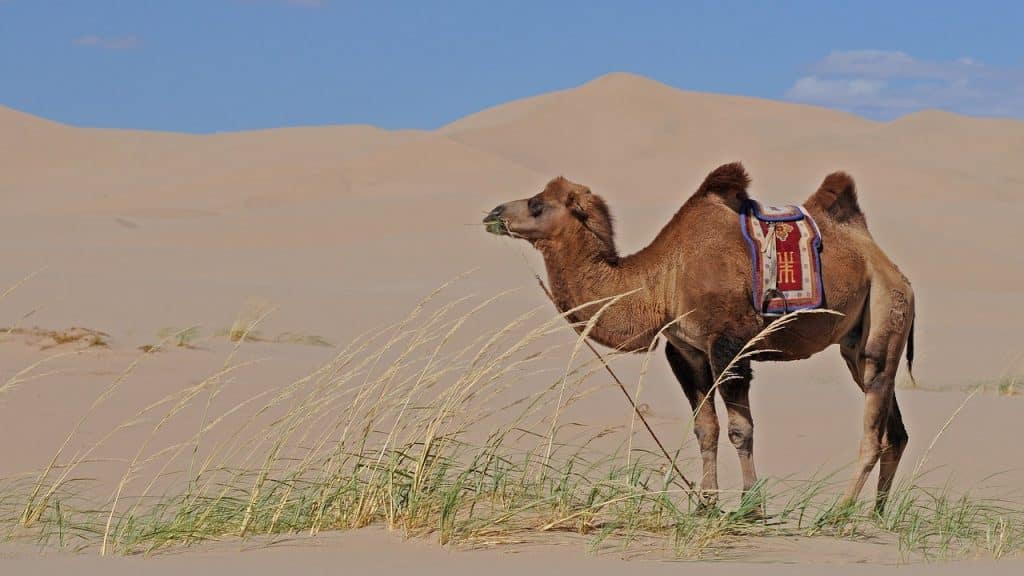
Venture to the legendary Gobi Desert, a vast expanse of landscapes that include towering sand dunes, rocky canyons, and unique flora and fauna. A Gobi Desert Tour will allow you to discover the singing dunes of Khongor Els, and witness the Flaming Cliffs of Bayanzag, renowned for dinosaur fossil discoveries.
Highlights:
Yolyn Am (Yol Valley): A stunning gorge known for its icy canyon walls, even during summer.
Khongor Els: Sandboard down the dunes, photograph a sunset, visit a nomadic family, or stargaze under some of the world’s darkest skies.
Bayanzag (Flaming Cliffs): A UNESCO site famous for its red sandstone cliffs and dinosaur fossils.
Riding Camels: Ride on a camel at sunset with the Khongor Els dunes as your backdrop.
Khuvsgul Lake: The “Blue Pearl” of Mongolia
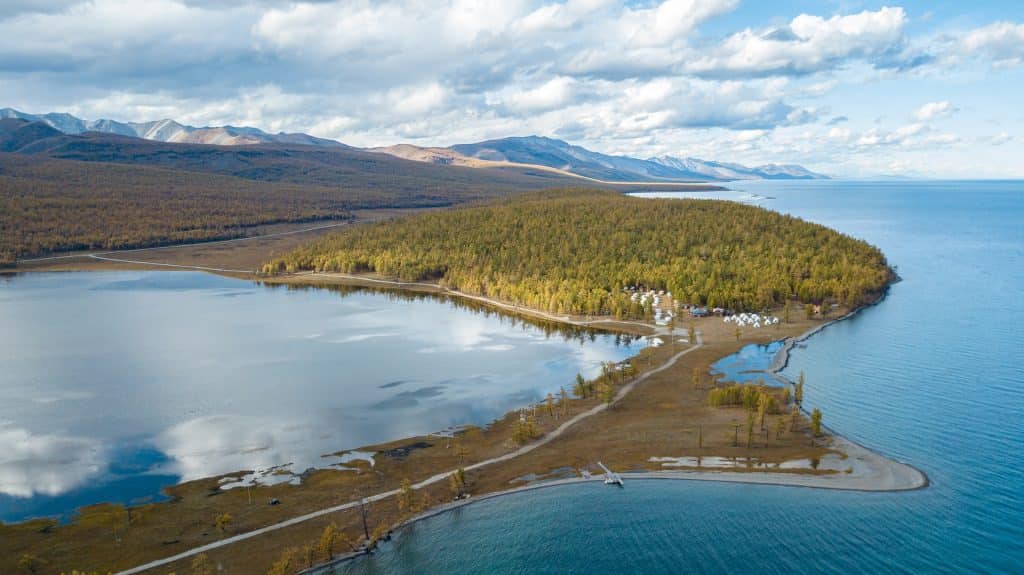
Located in the far north, Khuvsgul Lake is often referred to as the “Blue Pearl” of Mongolia. Surrounded by lush forests and pristine landscapes, the lake offers tranquility and opportunities for outdoor activities.
Highlights:
Khatgal: A small town on the southern tip of the lake, serving as a gateway to Khuvsgul National Park.
Reindeer Tribes: Encounter the Tsaatan people, nomadic reindeer herders who call the region home.
Boat Tours: Explore the lake’s crystal-clear waters by taking a boat tour or a relaxing swim.

Terelj National Park: Accessible Natural Wonders
Just a short drive from Ulaanbaatar, Terelj National Park displays its stunning rock formations, meandering rivers, and lush valleys. It’s an ideal destination for outdoor adventures close to the capital.
Highlights:
Turtle Rock: A unique rock formation resembling a turtle, a symbol of longevity in Mongolian culture.
Aryabal Meditation Temple: A serene temple nestled in the mountains, offering breathtaking views.
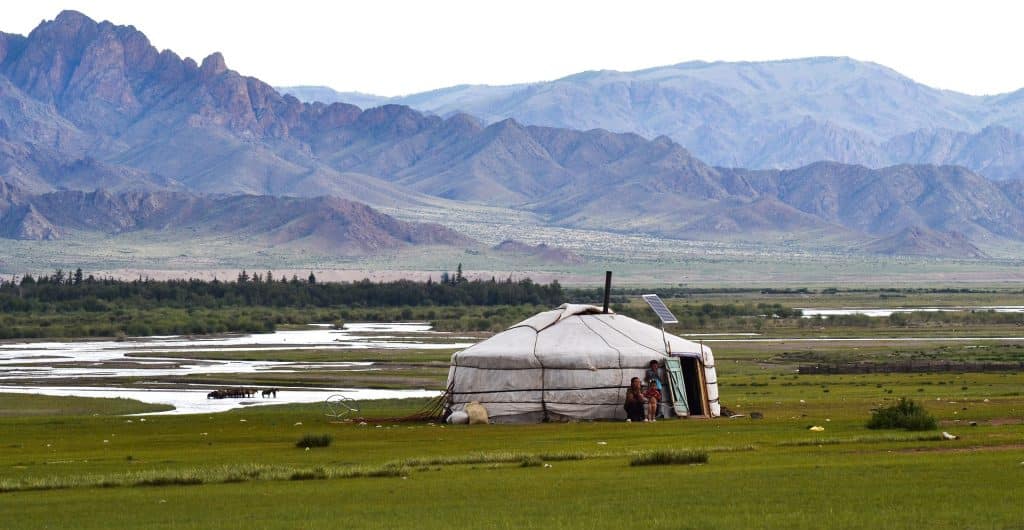
Ger Camps: Experience nomadic-style hospitality by staying in traditional gers (yurts) in the park.
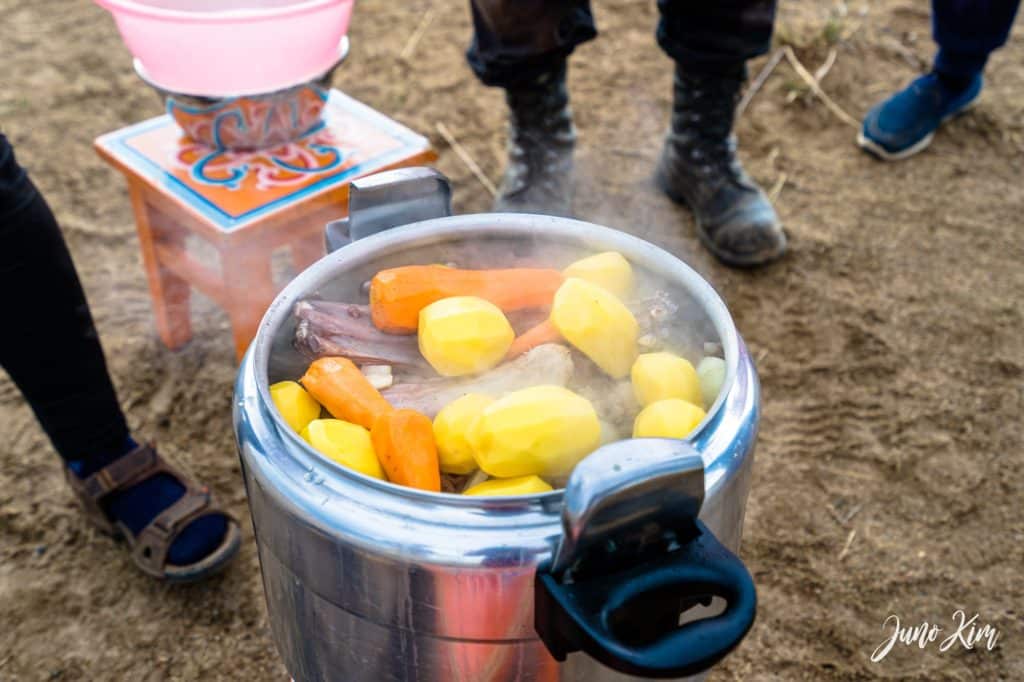
Orkhon Valley: Centuries of nomadic traditions
The Orkhon Valley, a UNESCO World Heritage Site, is a cradle of nomadic civilization with a rich history dating back to the 6th century. Explore ancient monuments, burial mounds, and the remnants of the Silk Road.
Highlights:
Karakorum: The Ancient Capital of the Mongol Empire (see below).
Orkhon Waterfall: Marvel at the cascading waters of the Orkhon River in a picturesque setting.
Tuvkhun Monastery: A secluded and sacred monastery perched atop a mountain.
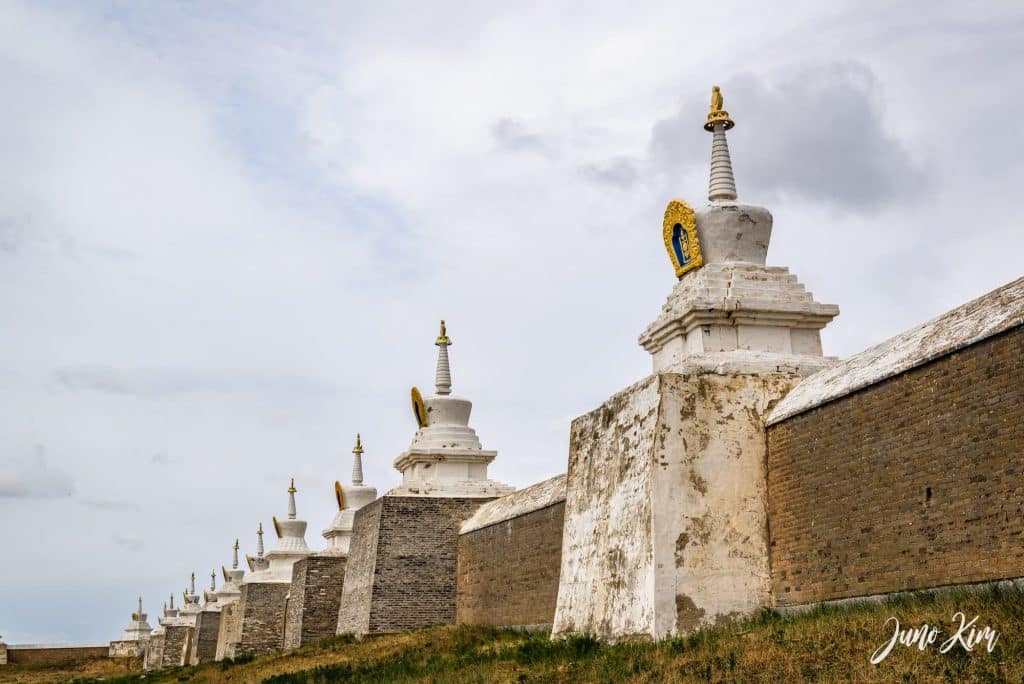
Karakorum: The Ancient Capital of the Mongol Empire
Once the capital of the Mongol Empire, Karakorum holds historical significance and offers a glimpse into the country’s imperial past. Though much of the city was destroyed, the remnants and nearby attractions make it a compelling destination.
Highlights:
Erdene Zuu Monastery: The oldest and most significant monastery in Mongolia, featuring over 100 stupas.
Karakorum Museum: A fine collection of artifacts providing insights into the city’s history.
Phallic Rock: A unique rock formation with ancient carvings and spiritual significance.
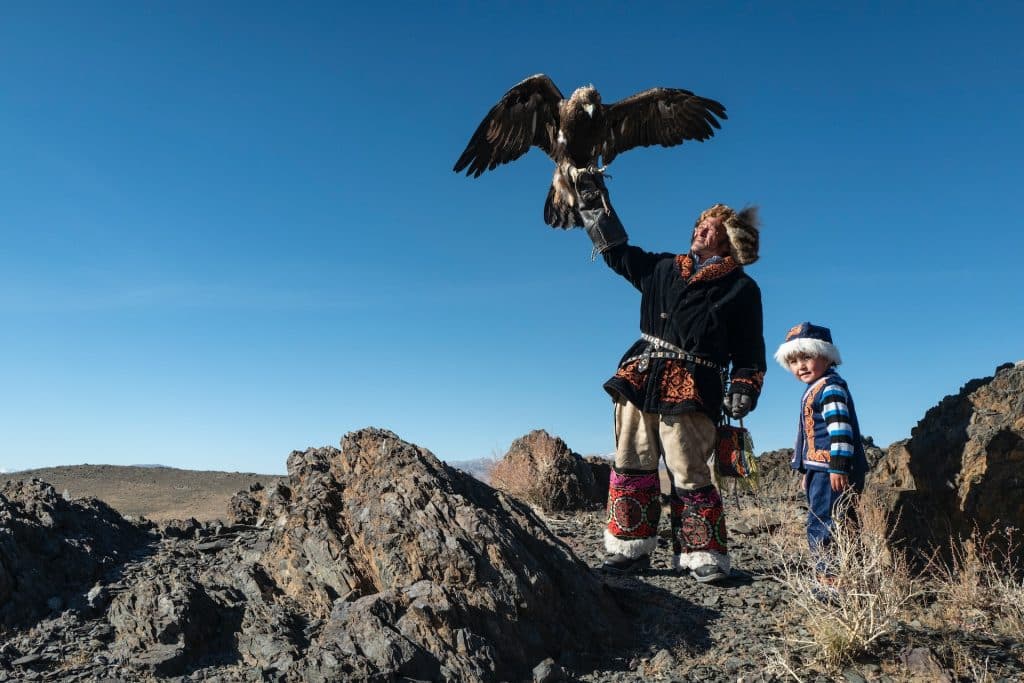
Western Mongolia: Home to Mongolia’s Kazakhs
Western Mongolia has endless skies, rugged mountains, and pristine lakes. It’s a place where the ancient nomadic lifestyle thrives against a backdrop of some of Asia’s most dramatic scenery. Western Mongolia offers an unforgettable journey into the wild, from eagle hunting traditions to the towering Altai Mountains. This remote area showcases spectacular natural wonders and ancient traditions, making it ideal for travelers seeking the road less traveled.
Highlights:
Altai Tavan Bogd National Park: Home to the country’s highest peaks, perfect for trekkers and mountaineers seeking unmatched adventure, glaciers, and wildlife.
Eagle Hunting Traditions: Experience the millennia-old tradition of eagle hunting, where visitors can witness the remarkable bond between Kazakh eagle hunters and their golden eagles, a practice passed down through generations.
Golden Eagle Festival: Joining a tour to the Golden Eagle Festival, you can see these majestic birds and their trainers in action.
Lake Khoton and Lake Khurgan: Set amidst the Altai Mountains, these twin lakes are a haven for nature lovers, offering crystal-clear waters and serene landscapes for camping, fishing, and kayaking. Ancient petroglyphs near the lakes add a touch of mystery, revealing glimpses of Mongolia’s prehistoric cultures.
Tsambagarav National Park: Tsambagarav Mountain is a sacred peak in Mongolian folklore and an excellent spot for hiking and spotting a range of wildlife, including snow leopards.
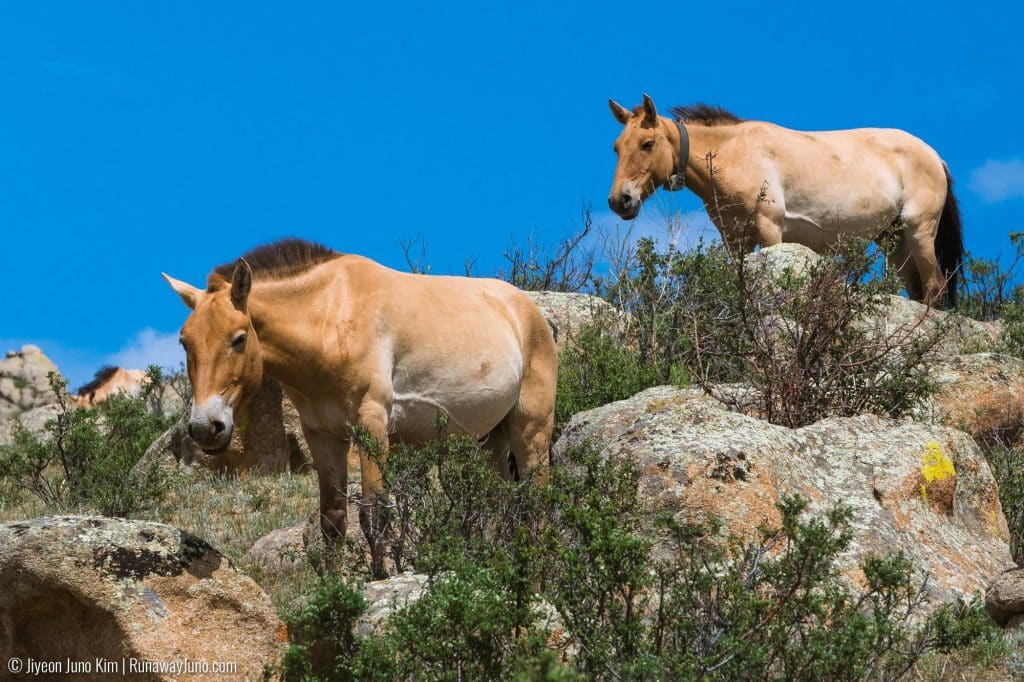
Khustai National Park: Home to Przewalski’s Horses
Khustai National Park, situated near Ulaanbaatar, is a haven for wildlife enthusiasts. Home to the Przewalski’s horse, the last wild horse breed, this park offers a unique opportunity to witness these majestic animals in their natural habitat.
Highlights:
Takhiin Tal: The home of the Takhi, or Przewalski’s horse, with opportunities for guided tours.
Wildlife Viewing: Explore the park’s diverse ecosystems and spot other wildlife, including marmots and deer.
Khustai Ger Camp: Experience traditional nomadic-style lodging while staying in comfortable ger camps.

Conclusion: What to See and Do in Mongolia
Mongolia, with its vast expanses, rich history, and warm hospitality, promises an unforgettable journey for those willing to explore its diverse landscapes and participate in its customs.
From the bustling capital of Ulaanbaatar to the serene shores of Khuvsgul Lake, and the ancient ruins of Karakorum to the wildlife haven of Khustai National Park, each destination offers a unique facet of Mongolia’s allure.
As you plan your trip, consider each location’s diverse experiences, ensuring your adventure in Mongolia becomes a personally enriching experience with cultural traditions, natural wonders, and lasting memories.
Thanks to Juno Kim of RunawayJuno.com for the use of some of her images. She has previously written about: Things you didn’t know about Mongolia