
By Stephen Bugno
In the past 14 months, I’ve driven across the United States more than 16,000 miles (25,750 km) during two extended road trips. Some of my earliest travel memories are from a Vegas to Albuquerque road trip through the southwestern US as a nine year-old. Over the years, I’ve learned a thing or two about what makes a good journey on the road.
Good road-tripping to me means experiencing the places you travel through by interacting with people, absorbing the landscapes, eating the regional foods, traveling greener, not spending excessive money, supporting the local economy, and slowing down to enjoy yourself.
Table of Contents
Stay off the Interstate
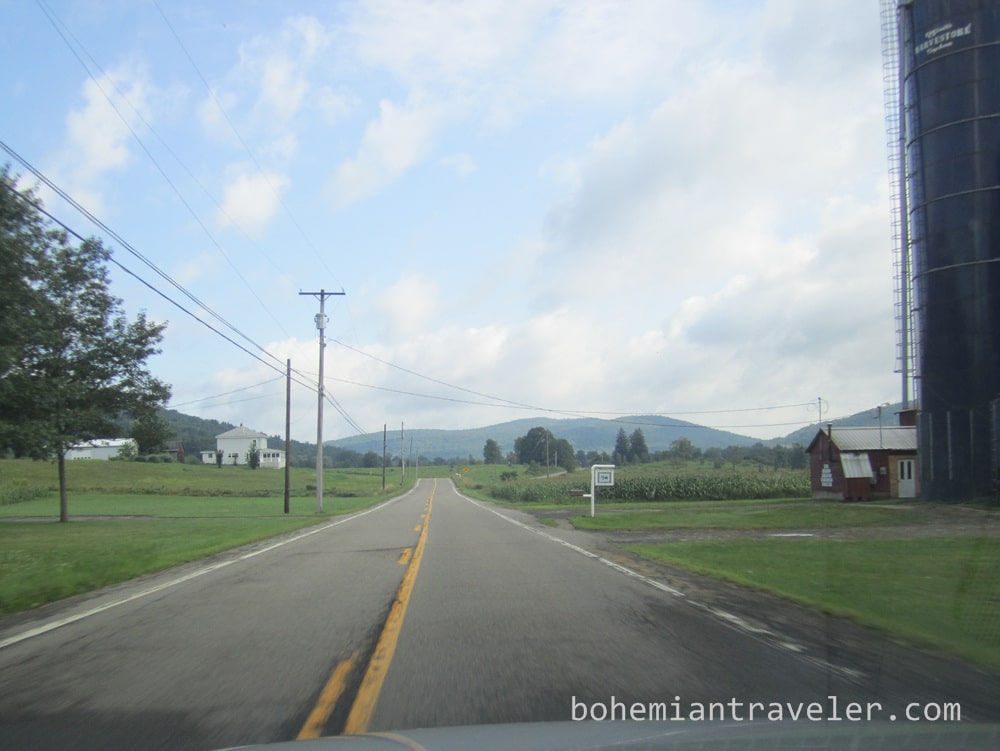
This is a point I’ve been trying to drive home for the past few years. The interstate—while occasionally scenic, is never interesting. Nothing worthwhile happens on limited-access divided highways except making good time. Even Steinbeck would agree with me. His 1962 Travels with Charley revolved around avoiding the interstate. If you drive the back roads, the scenic byways, the old US highways, your trip will be much more interesting.
Don’t stop at chains
McDonald’s and Arby’s, Wendy’s and Pizza Hut are not interesting to travelers—nor are they healthy. Mom and Pop dining establishments are generally unique, sometimes quirky and occasionally healthy alternatives. You’re more likely to run into locals and have an opportunity to try regional specialties and even eat local or fresher food. And what’s more important about a place than its cuisine?
Another one that’s important to me: no gas station coffee. It’s worth it to get a good cup of coffee at a coffee shop or diner. At least I know I’m supporting a local business while perpetuating my caffeine dependency.
BYOS—Bring your own stove
You can’t eat every meal out—nor would you want to. Cooking your own food means a lot of things. One, you’ll be eating healthier. Two, it means you have the chance to buy local, fresh food. One of the greatest pleasures of my recent road trip through New England, was stopping at random farmers’ markets. I was buying vegetables in-season and supporting the local economy and small producers. Many times, coops or individuals will have their own fruit and vegetable stands right outside their homes, so you won’t even need to catch the weekly markets. Shopping this way also gives you an inside look at local food politics and movements (like the availability of grass-feed beef, organic produce, and raw-milk cheese).
Indulge in the local specialties
Taste wine in northern California, feast on lobster in Maine, eat Po’ Boys in New Orleans, have a sourdough breadbowl in San Francisco. This is what makes travelling so much fun. Vermonters take their cheese seriously and Quebecers are proud of their maple syrup—enjoying their specialties makes them happy. Save your money for what’s important—I’ve always said I’d rather sleep uncomfortably and eat well.
Stop in small towns
This one makes sense all-around. While I don’t agree with my friend Gilbert’s idea that “big cities in the United States are not interesting”, I do see his point. The strengths of the United States are its natural and geologic wonders. Also, I would argue, it’s in the small towns and rural areas that the essence of the nation really shines through. Furthermore, whether it’s Kansas or New Hampshire, people in small towns are really friendly. On an economic level, supporting the economies of the little towns is a good thing—and they are less-expensive than cities. Fewer cities in your itinerary means less traffic, less trouble finding parking spots, less overall stress.
Make it longer—Take it slow
Try to minimize your daily driving and take more time to enjoy the places you’re traveling through. Sometime I plan two days to drive to a place I know I could easily make in one driving day. The truth is, I will find something of interest along the way, and in turn will stop to spend a few hours, even if it’s just to linger over a long coffee or take a walk through a town park. I’ve done plenty of intensive sightseeing and trips with filled itineraries, and while I don’t regret those experiences, I’d still prefer to take it slow and not only “see” things, but try to soak in the atmosphere of the places I’ve traveled so far to see.
Drive slower
Making a few minor adjustments can make your road trip as economic and environmentally-friendly as possible. While driving isn’t the greenest option, it’s still better than flying in most cases. First thing you can do to save gas (petrol) is by slowing down. You’ll get better fuel efficiency by not driving like a maniac. Also try to reduce the amount of stuff you bring along; a heavier car wastes more gas. Additionally, make sure your tires are inflated properly and the engine air filter is clean.
Pack a tent
Traveling with a tent allows the obvious: camping and opportunities for backpacking (trekking). Camping saves money over hotels, and wild camping, if you can find it, saves money over campgrounds. A good tip for camping in the United States is to try to find National Forest land, where you can camp for no fee. This works well in the western US where there is a plethora of public lands. Trekking can be a good way to break up a long road trip. On recent road trips, I hiked multi-day treks in the Green Mountains of Vermont and the Sierra Nevada of California.
If you enjoyed this post, make sure you sign up for our monthly newsletter!
 Stephen Bugno has been road-tripping since before he could see over the steering wheel. He’ll brake for free camping, a coffee refill, or to wait for moose to cross the road. He’s just returned from Southeast Asia and has now set off to discover the places a little closer to home. He blogs at BohemianTraveler.com


If there is one piece of advice I could give to road trippers, it would go along with one of yours: DON’T STOP AT CHAINS! Such a waste of time and money. Go out there and meet actual people, not corporations!! 🙂
I’m glad we kept most of the points you made here, except moving slow. We did move slow but it was faster than we expected. Cooking with local produces, camping everywhere, driving small country roads… all great experiences. I would love to do more road trip in the US. It’s a huge country! Looking forward next visit…
Pingback: Runaway Subscription Saturday: 1st Oct. 2011 | Runaway Juno
These are great tips! We road tripped through the U.S. for a month, and what we agree with the most is: Stay off the Interstates! The interstate highways are so boring, and the amount of fast food chains along the highways is unbelievable. Who knew it could be so hard to come by some healthy food?!
Pingback: Road Trip in Numbers | Bohemian Traveler
Pingback: Photo of the Week: Crater Lake, Oregon | GoMad Nomad Travel
OK, how do you bring your own stove? I don’t know these things.
Hi Angela. I bring a camping stove. There are plenty of them on the market. Here is a link to a very common and inexpensive one: Coleman PefectFlow 1-Burner Stove